
Composable Architecture vs Traditional Systems

Composable Architecture frames systems as assemblies of decoupled components with explicit interfaces and independent lifecycles. It emphasizes modular thinking, clear contracts, and scalable deployment. Traditional Systems anchor stability through disciplined governance and proven interfaces. The choice hinges on governance clarity…
ByJohn A
Common Use Cases for Serverless Technology
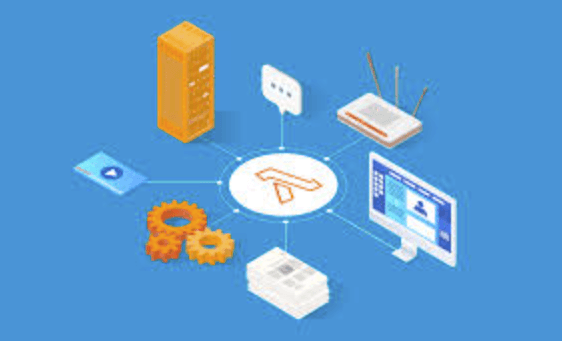
Serverless technology excels in event-driven workloads, APIs, microservices, and scalable data processing. It enables real-time analytics, asynchronous processing, automations, and workflow orchestration with on-demand execution that minimizes latency. The approach supports incident response, media processing, and elastic transcoding, while delivering…
How Investors Evaluate Liquidity Levels

Investors assess liquidity by examining execution certainty, cost, and resilience under stress. They track bid-ask spreads, depth at key price levels, and real-time order flow to gauge trade speed and price impact. Cross-asset comparisons reveal fragmentation and formation differences, guiding…